



Scoring the podium: Winter Olympics Broadcast Music Trends

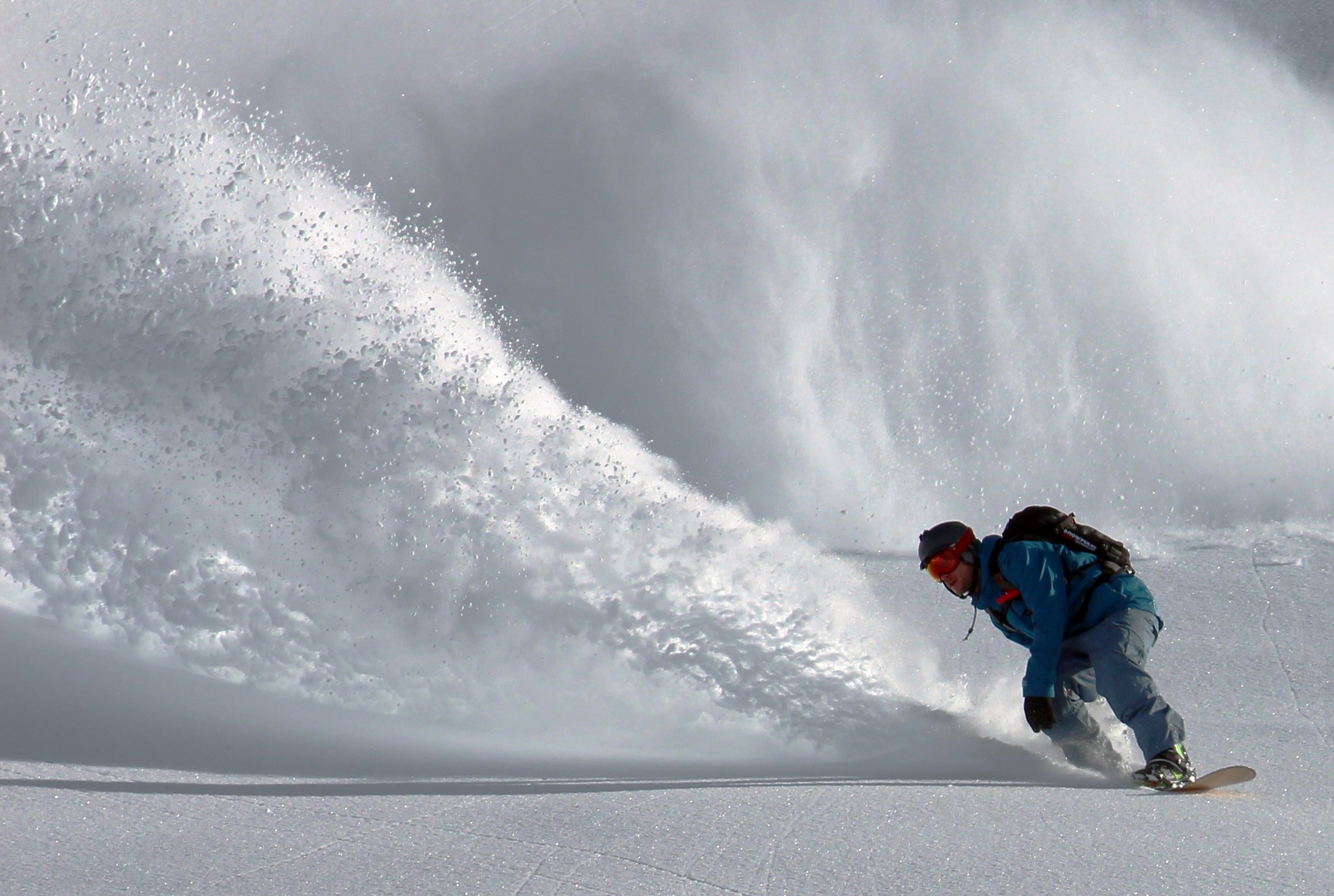
There is a distinct sonic signature to the Winter Games. It’s not just the roar of the stadium or the commentary box; it’s the silence before a ski jumper launches, the rhythmic scrape of skates on fresh ice, and the explosive impact of a bobsled tearing down the track. For editors and broadcast producers, the challenge isn't just showing the footage - it’s making the audience feel the temperature, the tension, and the triumph.
Creating a compelling sports broadcast requires more than just high-definition visuals. It demands a soundtrack that translates physical feats into emotional experiences. Whether you are cutting a thirty-second promo spot for the downhill finals or building a long-form athlete profile, the right audio selection is the difference between a clip people watch and a story people remember.
The unique texture of winter sports audio
Unlike the Summer Games, which often lean heavily on vibrant, sun-soaked pop and global rhythms, Winter Olympics broadcast music requires a different palette. The visuals are dominated by whites, silvers, and blues, and the music needs to reflect that cool, crisp aesthetic.
Editors often look for "cold" textures in their music for sports. Think synthesised pads that shimmer like ice, reverb-heavy percussion that mimics the vastness of a mountain range, and sharp, metallic transients that cut through the mix. The goal is to create an atmosphere that feels expansive and slightly dangerous. When a snowboarder is fifty feet in the air, a dry, small-room drum kit won't work. You need cinematic scope - sounds that feel as big as the landscape itself.
4 Essential Musical Archetypes for Winter Coverage
To effectively soundtrack the Games, it helps to categorise your music choices into distinct moods. Here are the four musical archetypes every sports editor needs in their timeline when cutting winter content.
1. The "High-Stakes" Orchestral Hybrid
Used for: Opening montages, medal ceremonies, and "moments of glory" replays.
When the narrative is about legacy and national pride, nothing beats the sheer power of a full orchestra backed by modern electronic production. You need tracks that feature soaring brass sections to represent heroism and sweeping strings to carry the emotional weight of a loss or a win.
Editor’s Tip: Look for tracks with a "braam" or heavy impact hits. These are perfect for punctuating slow-motion shots of athletes focusing before a race. The contrast between the organic orchestra and the gritty electronic low-end mirrors the mix of human grace and technical equipment found in the sport itself.
2. The Adrenaline Rock Riff
Used for: Ice hockey highlights, snowboard cross, and fast-paced promo reels.
Some sports are purely about aggression and speed. Ice hockey and boardercross don't need subtle atmospheric pads; they need grit. High-energy rock tracks with driving distorted guitars and punchy drums provide the forward momentum necessary to keep up with the visual pacing.
Editor’s Tip: Sync your cuts to the snare hits. In sports broadcast music, rhythm is king. If your edit lags behind the beat, the physical impact of a body check or a landing feels weak. Keep the cuts tight and let the guitar riffs drive the transition speed.
3. The "Clockwork" Tension Builder
Used for: Slalom runs, bobsled, and timed events.
In events where every millisecond counts, the music should mimic a ticking clock. These tracks often rely on persistent, staccato percussion or synthesised pulses. They don't necessarily have a big melodic hook; instead, they build tension through repetition and gradual layering.
Editor’s Tip: Use these tracks for "live" replay analysis where commentators are breaking down a technical error. The music shouldn't distract from the voiceover; it should sit underneath, maintaining a bed of tension that implies precision and technical mastery.
4. The Emotional Piano Underscore
Used for: Athlete backstories, defeat reels, and human interest segments.
The Olympics are as much about the athletes' journeys as they are about the events. For the softer, narrative-driven segments, a stripped-back piano track is essential. It provides space for the interview audio to breathe and allows the viewer to connect with the human face behind the goggles.
Editor’s Tip: Don't be afraid of silence. The best music for sports documentaries knows when to pull back. Fade the music out entirely for a critical soundbite, then bring it back in on a major chord resolution to emphasise the emotional payoff.
Technical Execution: Working with Stems
For professional editors delivering content for broadcast, working with full stereo mixes is rarely enough. To truly integrate Winter Olympics broadcast music, you need to utilise stems - separated audio tracks (drums, bass, melody, etc.).
Using stems allows you to carve out sonic space for commentary. If the track is fighting with the announcer's voice, you can simply duck the lead melody or guitar line while keeping the drums and bass driving the energy. This is crucial in sports broadcasting, where the roar of the crowd and the commentator’s play-by-play must remain intelligible. Stems also allow you to build your own "remix" within the edit, extending a dramatic build-up to match the length of a slow-motion replay perfectly. Don’t forget to use tools such as Final Cut Pro Extension to help with this.
Finding the Winning Track
The right soundtrack turns a collection of clips into a cohesive narrative. Whether you are highlighting the raw speed of the downhill or the artistic precision of figure skating, your music choices set the emotional temperature of the broadcast.
For the best royalty-free sports anthems and cinematic scores to use in your next wrap-up or coverage, explore our dedicated sports music at Universal Production Music.
| Title | Stems | Length | |||
|---|---|---|---|---|---|

